
Epoxy floor coatings for concrete turn a bare, ageing slab into a sealed, chemical-resistant surface that holds up to vehicles, foot traffic, and everyday spills. Whatever you call it, epoxy and concrete, concrete floor epoxy coating, or just “that garage floor stuff”, the real questions are usually the same: does it work on your slab, which type do you need, and what does it actually cost in Townsville. This guide covers how epoxy bonds to concrete, which coating type suits which space, realistic pricing, and when DIY genuinely makes sense versus when it doesn’t.
What Epoxy Floor Coating for Concrete Actually Is
At its core, epoxy floor coating for concrete is a two-part resin system, a resin and a hardener that react chemically once mixed, curing into a hard, seamless plastic layer over a concrete slab. You’ll see it marketed under a few different names, epoxy coatings for concrete floors, concrete floor epoxy coating, cement floor epoxy coating, and they’re all describing the same underlying product, though “cement floor” is technically a bit loose, since cement is just one ingredient in concrete, the binder that holds the sand and aggregate together, rather than the finished slab itself.
Coatings range from thin, roll-on paint systems through to thick, trowelled or self-levelling builds finished with a broadcast layer of coloured flake or quartz. What they share is the job they do: sealing the concrete against oil, chemicals, and moisture, stopping the fine dust that bare concrete sheds as it wears, and giving you a surface that’s far easier to keep clean than raw concrete or standard paint. The right choice depends on what the floor needs to survive; a family garage is a very different job to a commercial kitchen or a warehouse floor.
Epoxy and Concrete — How the Coating Bonds to the Slab
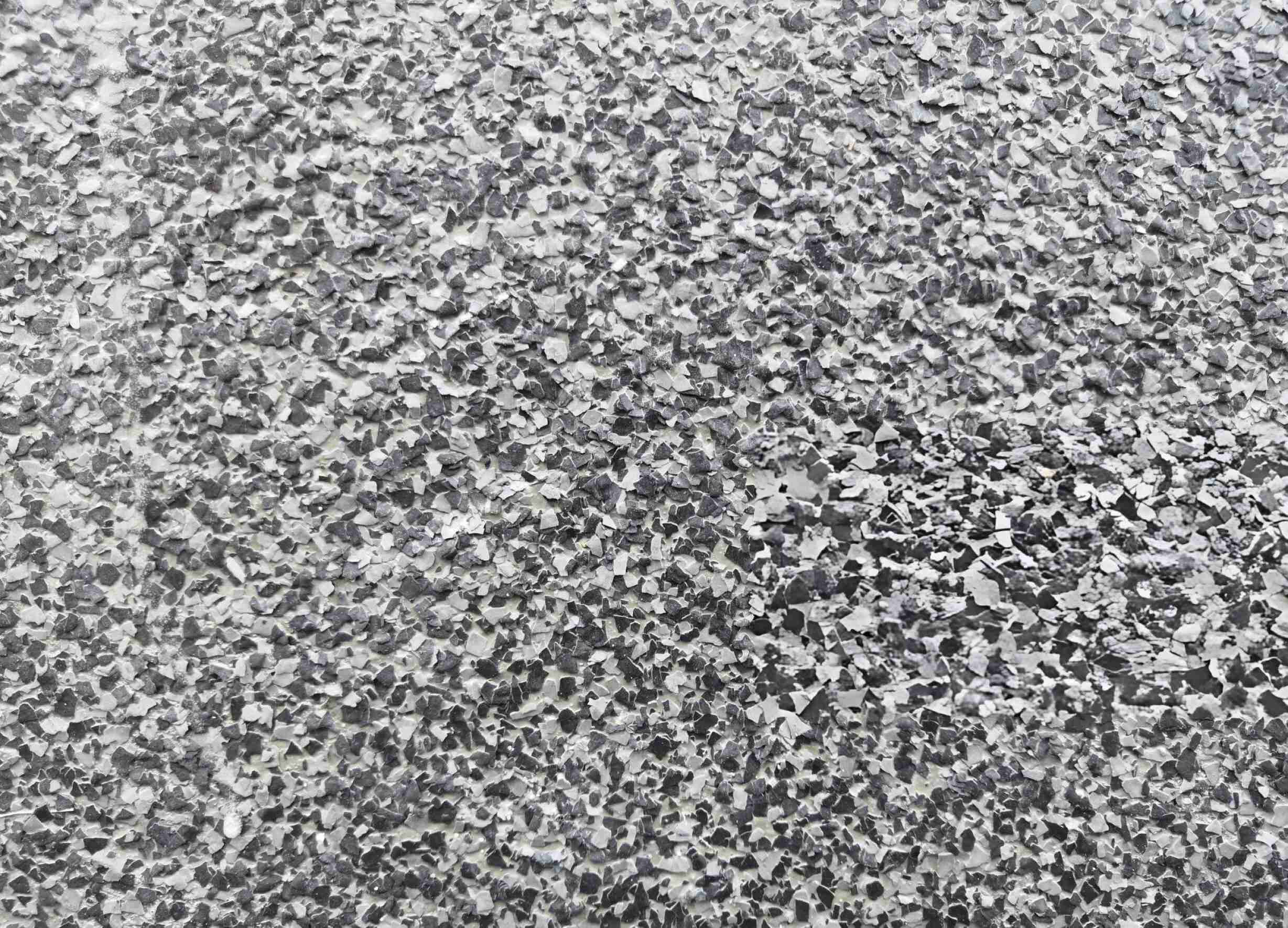
Epoxy and concrete work together through a mechanical bond, not just a coat of colour sitting on the surface. Concrete itself is porous and alkaline, properties well documented by industry bodies like Cement Concrete & Aggregates Australia, full of microscopic pockets and capillaries that give epoxy something to physically key into rather than just adhere to. This is why diamond grinding or acid etching matters so much before a single coat goes down: it opens up that surface profile and removes the weak, dusty top layer (laitance) that forms on every new slab.
Moisture is the other half of the equation. Concrete can carry moisture vapour up through the slab even when the surface feels dry, particularly on ground-level garages without a proper vapour barrier underneath. A simple test, a few drops of water left on clean concrete for about 90 seconds, tells you whether the surface is porous enough to bond well or whether it needs a primer first. Skip this step and epoxy can look perfect for months before moisture trapped underneath causes it to bubble or lift in sheets.
Once conditions are right, the resin penetrates the open pores of the concrete and cures in place, creating a bond that’s genuinely stronger than the top layer of the concrete itself. That’s part of why proper preparation, not the product, is what determines whether an epoxy floor coating for concrete lasts five years or fifteen.
Epoxy Coating Types — Which One Fits Your Concrete Floor
Not every epoxy coating is built the same way, and matching the type to the job matters more than chasing the cheapest option.
- Water-based epoxy — low odour, easy clean-up, suited to garages and occupied living spaces
- Solvent-based epoxy — stronger fumes but often a higher build, used more in commercial settings
- 100% solids epoxy — minimal solvent smell, thick film, built for heavy industrial and warehouse traffic
At the thinner end of the range sits epoxy floor paint, a roll-on, one-or-two-coat product that suits garages, sheds, and living areas where a full industrial build isn’t necessary. Step up from there and you’re into trowelled or self-levelling systems, often finished with a broadcast layer of coloured flake or quartz for extra grip and a decorative look, then sealed with a UV-stable topcoat. The thicker the system, the more it costs and the longer it typically lasts, so the honest starting point for choosing between them is being clear about how hard the floor actually needs to work.
Concrete Floor Epoxy Coating — Garage, Workshop, Retail, Warehouse
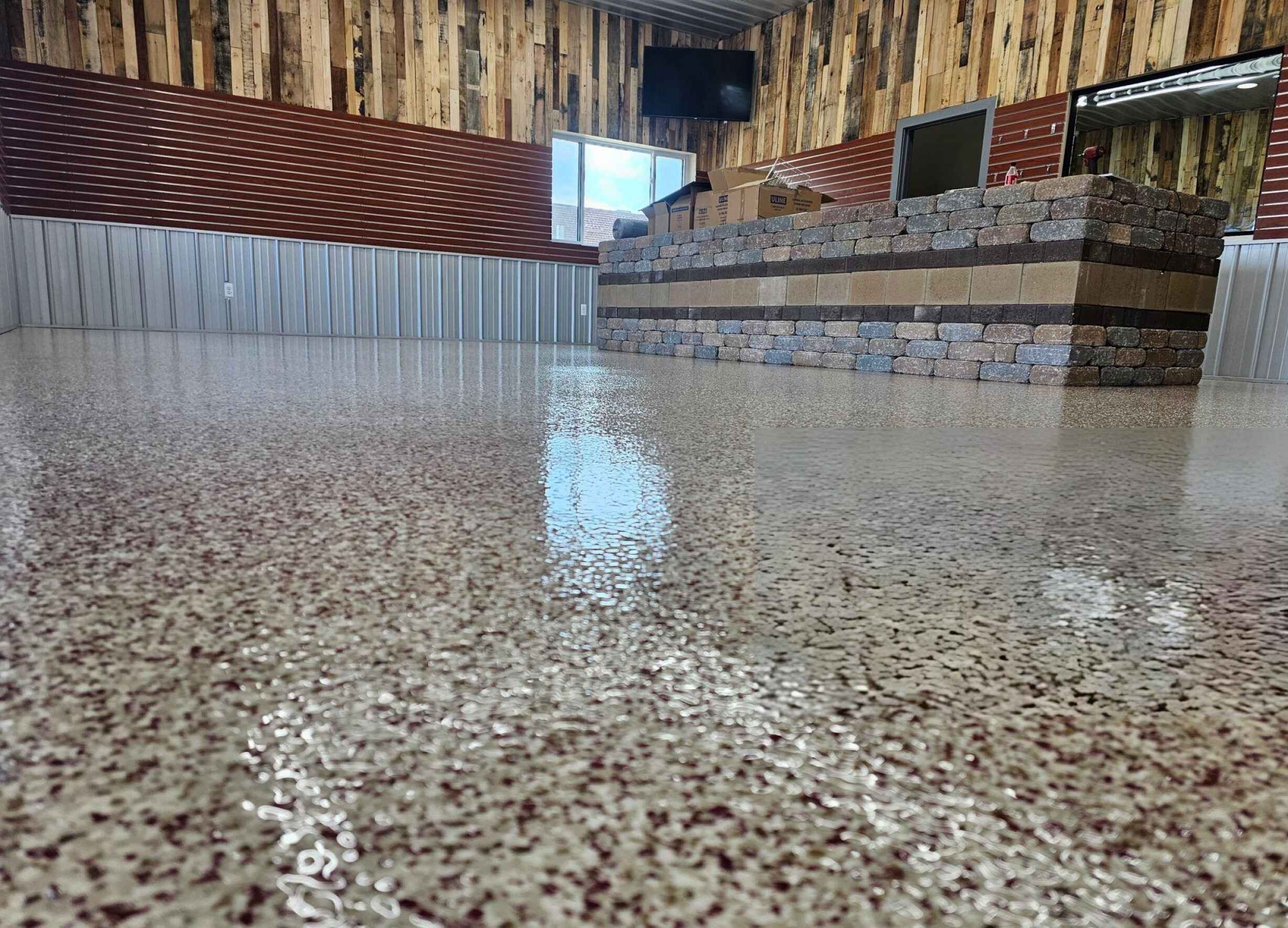
A concrete floor epoxy coating earns its keep differently depending on where it goes. In a garage or carport, the priority is usually oil and chemical resistance plus easy cleaning; a mid-range system with a decorative flake broadcast is the standard choice for garage epoxy flooring, and it’s tough enough for daily vehicle traffic without needing a heavy industrial build.
Workshops add abrasion from tools, dropped equipment, and constant foot traffic, so a thicker system with a textured or anti-slip finish holds up better than a standard garage-grade coating. Retail and showroom floors have different priorities again, usually a lighter or brighter colour, a smooth high-gloss finish, and enough durability to handle shopping trolleys and daily foot traffic without showing wear within a year. For any space that needs to meet a certified slip rating under AS 4586, wet areas, loading docks, and public-facing retail floors among them, a broadcast anti-slip additive belongs in the final coat rather than being treated as optional.
Warehouses are where the demands get serious. Forklifts, pallet jacks, and constant point-loading need a heavy-duty industrial floor epoxy coating, typically a 100% solids system applied at a much greater thickness than a residential job, sometimes with steel-trowelled or self-levelling application to handle the load without cracking or delaminating. Using a garage-grade coating in a warehouse, or the reverse, is one of the most common and expensive mistakes we see.
Cost of Epoxy Floor Coatings for Concrete (Townsville / Australia)
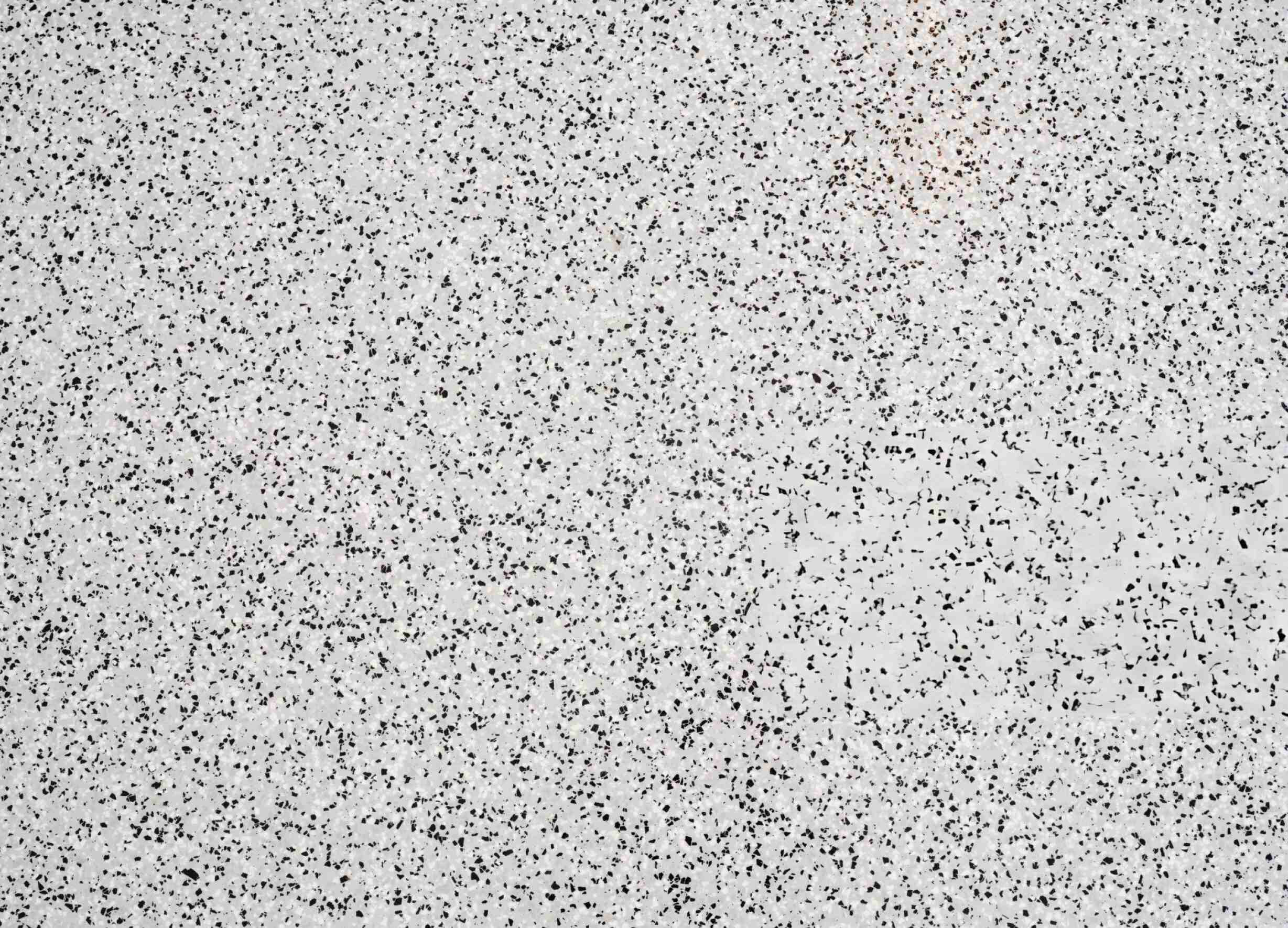
Materials alone for a basic two-coat epoxy system start from around $35 to $50 per square metre. Add a decorative flake or quartz broadcast and a UV-stable topcoat, and professionally installed pricing in Townsville generally lands between $60 and $120 per square metre, with the lower end suiting a straightforward single-colour garage floor and the higher end covering full prep, crack repair, and a premium decorative finish.
Warehouse and industrial jobs are priced differently again, reflecting the thicker system and heavier surface preparation involved, and are genuinely worth a site-specific quote rather than a rule-of-thumb figure. Slab condition affects the final number more than the colour or brand of product chosen: a cracked, oil-stained, or previously coated floor needs more grinding and repair work before a new system goes down, and that labour adds up regardless of which finish you pick in the end.
DIY vs Hire a Contractor — Honest Tradeoffs
Small, low-traffic areas are realistic DIY territory, provided you respect the pot life once the two parts are mixed (often 20 minutes to an hour depending on the product) and get the surface preparation right. Larger floors, anything needing a broadcast flake system, or industrial and commercial spaces are where a professional installer earns their fee.
| DIY | Professional | |
|---|---|---|
| Best for | Small areas, single garage bay, low traffic | Larger floors, decorative systems, commercial and industrial jobs |
| Surface prep | Acid etching, limited equipment | Diamond grinding, moisture testing, trade-grade prep |
| Materials | Retail kits, often thinner film | Trade-grade products, consistent batch blending |
| Risk | Peeling, bubbling, or lap lines if timing slips | Backed by a workmanship warranty |
Even a confident DIYer benefits from understanding the risks going in. Concrete etching solutions are corrosive, and older slabs can hide asbestos-containing materials in previous coatings or adjacent building products, so any grinding or aggressive surface prep on an older home is worth stopping and checking first rather than assuming. Ventilation and basic protective equipment matter too, since epoxy resins and hardeners are classified as hazardous chemicals under Australian workplace safety law.
See Safe Work Australia’s guidance on hazardous chemicals for specifics on handling them safely.
How Long Epoxy Lasts on Concrete + Key Risks
A well-installed, full-thickness epoxy system in a garage or workshop typically lasts ten to twenty years before it needs significant attention, while a thinner epoxy floor paint in the same setting usually needs a fresh topcoat somewhere between three and ten years, depending on traffic. Commercial and industrial floors under constant heavy use sit at the shorter end of that range regardless of system thickness, simply because of how much abuse the surface takes daily.
A handful of risks account for almost every early failure:
- Moisture trapped under the slab, causing bubbling or delamination months after installation
- Skipped or inadequate surface preparation, leaving the coating sitting on top rather than bonded in
- UV exposure on an unprotected coating, leading to chalking and colour fade outdoors or in direct sun
- Wrong product for the job, a garage-grade system asked to handle warehouse traffic, or vice versa
Every one of these is preventable with proper testing and the right product choice upfront, which is a large part of why the cheapest quote isn’t always the cheapest floor once you count a redo a few years down the track.
Epoxy Floor Coatings for Concrete: The Details That Matter
Colours
Most epoxy coating ranges split into practical mid-to-dark greys for garages and workshops, brighter accent tones for feature areas or line marking, and metallic finishes for showroom-style statement floors. Lighter colours brighten a space but show dirt and wear faster than darker tones. For a full look at the options, including how sheen and lighting affect the final result, see our guide to epoxy flooring colours.
Residential Use
Homes make up most of our epoxy floor coating work: garages, carports, sheds, and increasingly indoor spaces like laundries and rumpus rooms where an easy-clean, seamless floor makes sense. Residential jobs usually call for a mid-build system rather than full industrial thickness, balanced for durability, cost, and a finish that suits the rest of the house rather than a factory floor.
Industrial Use
Warehouses, factories, and workshops need a different category of product entirely, typically 100% solids epoxy applied at a greater thickness to handle forklifts, pallet jacks, and constant point-loading without cracking. Chemical resistance and slip rating matter more here than colour choice, and industrial jobs almost always warrant a site-specific quote given the scale and prep involved.
Garage Use
Garage floors are the most common epoxy job we see, and for good reason: a coated garage resists oil, brake fluid, and coolant far better than bare or painted concrete, and it’s genuinely easier to sweep and mop. A mid-range flake system is the standard recommendation for most garages, balancing durability against cost for a space that sees daily vehicle traffic but not industrial abuse.
Kits and Products
A DIY kit makes sense for a small, low-traffic area, a single garage bay, a laundry, or a workshop corner, where the pot life and coverage of a retail kit are enough to finish the job in one session. Larger floors or decorative flake systems generally outgrow what a kit is designed for. If you’re weighing up the DIY route, our epoxy floor coating kits guide covers what’s actually in a typical kit and where the limits are.
Townsville Service Area
We coat garage, workshop, retail, and warehouse floors right across Townsville and the surrounding suburbs, from Kirwan and Bohle through to Garbutt and beyond. Local humidity and heat affect cure times and topcoat selection more than most homeowners expect, which is part of why we test and spec every job on-site rather than working from a generic checklist. For the full picture on what we offer locally, see our epoxy flooring Townsville page.
Frequently Asked Questions
Can you mix concrete and epoxy together?
Not as a single wet mix; they’re different materials used at different stages. Concrete gets poured and cured first, and epoxy is applied afterwards as a surface coating. The exception is epoxy mortar, a sand-and-resin blend used for structural patching and repairs, which is a specialised product distinct from a decorative floor coating.
Will epoxy hold concrete together?
In a specific engineering sense, yes: epoxy injection resins are used to bond cracked concrete and anchor new pours to old ones in structural repair work. That’s a different product and application to a decorative epoxy floor coating, which seals and protects the surface rather than holding structural elements together.
Can you put epoxy over a concrete floor?
Yes, this is exactly what epoxy floor coatings for concrete are designed to do, provided the slab is properly prepared, tested for moisture, and free of contamination. Skipping preparation is the most common reason a coating fails early, not the concept itself.
How long does epoxy last on a concrete floor?
A full-thickness professional system typically lasts ten to twenty years, while a thinner epoxy paint coating usually needs refreshing within three to ten years depending on traffic. Proper surface preparation affects lifespan more than the specific product used.
What is concrete epoxy used for?
Most commonly, sealing and protecting garage, workshop, retail, and warehouse floors against oil, chemicals, and general wear. It’s also used in structural repair as an injection resin or bonding agent, and as a decorative finish where colour and sheen matter as much as durability.
What is the downside of epoxy flooring on concrete?
It depends heavily on correct surface preparation and moisture testing, so a rushed job shows up as peeling or bubbling within months rather than years. Standard finishes can also be slippery when wet without an anti-slip additive, and most coatings need a UV-stable topcoat if they’ll see direct sun.
How much does it cost to epoxy a 20×20 garage floor?
A garage around 20 feet by 20 feet works out to roughly 37 square metres. Professionally coated with a standard system, that typically lands somewhere between $1,500 and $4,000 in Australia, depending on the finish and how much prep the slab needs.
Is epoxy a glue or adhesive?
Yes, in its base form epoxy resin is one of the strongest structural adhesives available, used well beyond flooring in construction, automotive, and manufacturing. Floor coating epoxy uses the same underlying resin-hardener chemistry, formulated instead for a smooth, durable film rather than maximum bond strength.
What is the difference between epoxy coating and epoxy paint?
Epoxy coating is the umbrella term covering everything from thin roll-on products to thick trowelled systems. Epoxy floor paint specifically refers to the thinner, roll-on end of that range, more affordable and DIY-friendly but with less film build than a full trowelled coating.